Why these topics connect
Sentience is one proposed basis for moral standing, but views differ about its sufficiency and weight.
IDEA
Ask which capacities or relationships give animals claims on our conduct, and whether sentience alone is enough.
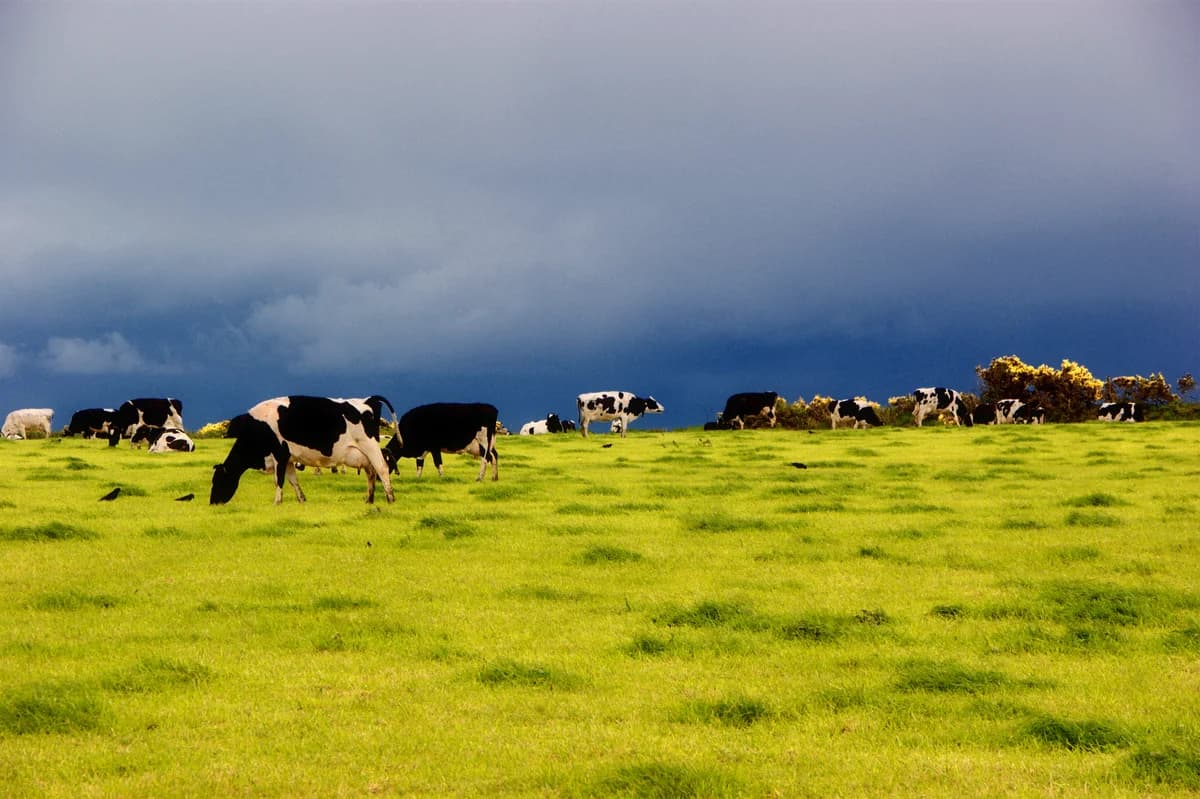
Moral status concerns whether a being’s interests matter for its own sake in ethical deliberation. Accounts of animal standing appeal to sentience, agency, relationships, or other capacities. Having standing differs from having exactly the same rights as humans, and from being able to fulfill moral duties oneself.
Moral status concerns whether a being can have claims that matter for its own sake, rather than only because someone else values it. Welfare, rights, capacities, and relationships offer different grounds. A being can count morally without having every human responsibility or entitlement. The key argumentative task is to explain why the selected ground is relevant and how it applies consistently, including to beings with limited language or capacities that differ from familiar adult human abilities.
Imagine deciding whether to inflict substantial suffering for a minor human preference. Compare deciding whether to impose a limited burden to meet a serious need. The debate concerns the weight and kind of interests involved, rather than only the label “animal.”
Theories disagree about direct duties, rights, and conflicts between individual animals and environmental goals. Empirical uncertainty about capacities also matters. Ethical consideration need not wait for language or human-like reasoning, but an account must explain why its chosen basis of status is relevant and how it handles borderline cases.
Imagine caring for a dependent animal whose distress conflicts with a small human convenience. A welfare approach compares interests; a rights approach asks about prohibited use; a relational approach considers the duties created by dependency. The approaches can converge on one action for different reasons. Changing the case to a serious human need may expose their differences. Specify those reasons rather than assuming that the label animal welfare already decides the permissible treatment.
Can a being have moral standing without having human-like rights?
Sentience is one proposed basis for moral standing, but views differ about its sufficiency and weight.
Claims about animal standing affect decisions about food, research, and care.
For instance, the movement for “animal liberation”, which also emerged strongly in the 1970s, can be thought of as a political movement aimed at representing the previously neglected interests of some animals (see Regan and Singer (eds.) 1976, Clark 1977, and also the entry on the moral status of animals ).
Automatically found mention; a mention does not imply agreement.
Open reference article Retrieved 2026-10-01 · Automatically found mentionFor instance, the movement for “animal liberation”, which also emerged strongly in the 1970s, can be thought of as a political movement aimed at representing the previously neglected interests of some animals (see Regan and Singer (eds.) 1976, Clark 1977, and also the entry on the moral status of animals ).
For this reason, attempts to establish human uniqueness by identifying certain capacities are not the most promising when it comes to thinking hard about the moral status of animals.
Automatically found mention; a mention does not imply agreement.
Open reference article Retrieved 2026-10-01 · Automatically found mentionFor this reason, attempts to establish human uniqueness by identifying certain capacities are not the most promising when it comes to thinking hard about the moral status of animals.
These explanations synthesize philosophical discussions. Examples illustrate the ideas; connections to practical situations are editorial interpretations.
