Why these topics connect
Examine what control over personal information protects in your life.
IDEA
Consider people’s interests in limiting access to their lives and controlling uses of personal information.
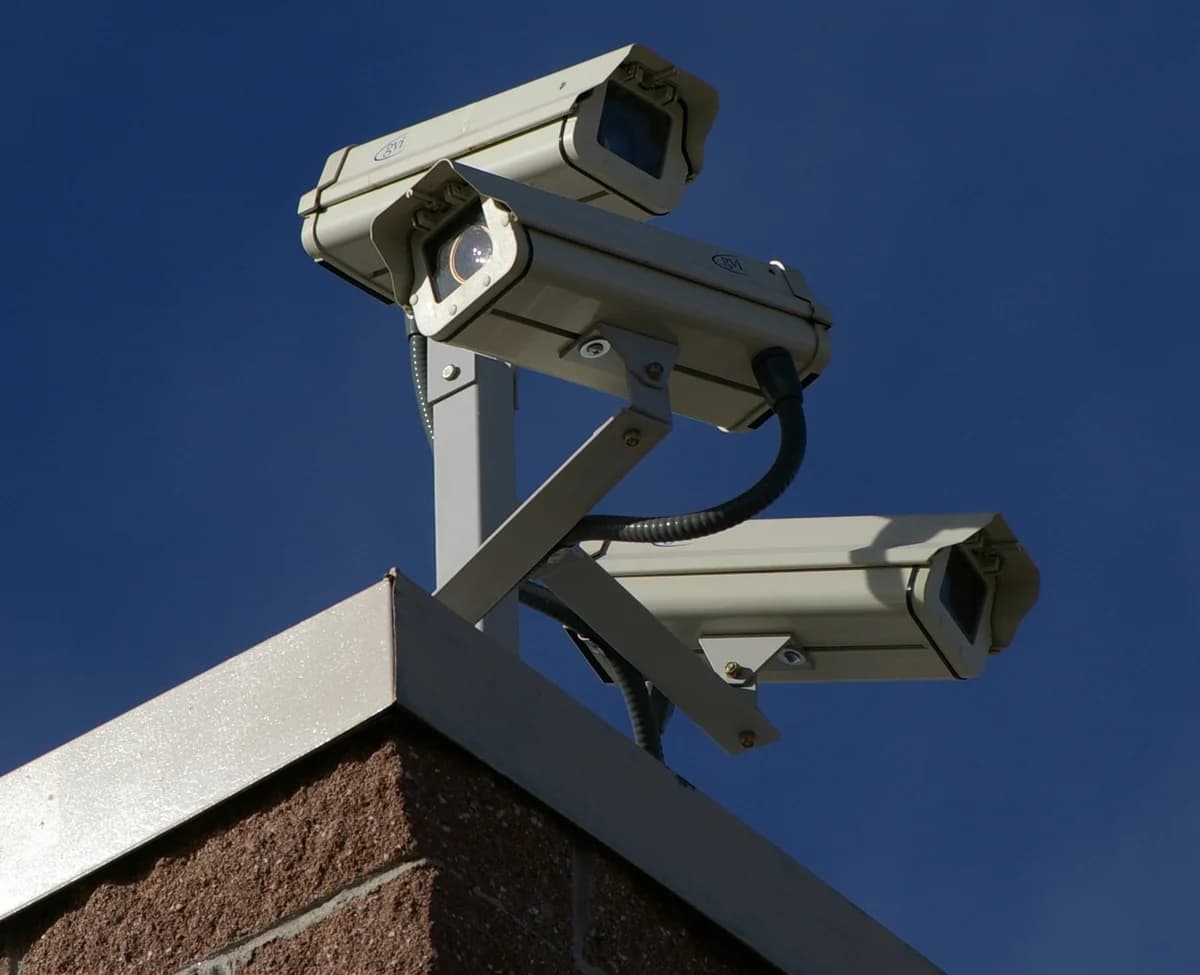
Privacy includes concerns about access to a person, control of personal information, and protected space for relationships and decisions. It is not reducible to concealing wrongdoing. Information can be nonsecret yet collected, combined, or used in ways that change someone’s practical freedom or social position.
Privacy can protect the conditions in which people develop relationships, seek advice, and revise their views without constant observation. Information practices also change power: a detailed profile can enable prediction or intervention that a person cannot see or contest. The fact that one detail was disclosed publicly does not automatically justify combining every detail indefinitely. A sound assessment considers purpose, access, retention, and the implications of moving information into a different relationship.
Imagine sharing a photograph with friends and later finding it incorporated into an employment assessment. The image was disclosed, but that does not settle whether every recipient and purpose is acceptable. Ask what expectations and relationships made the original sharing reasonable.
Privacy can conflict with accountability, safety, and legitimate public interests. A useful assessment specifies who accesses what, for which purpose, and with which safeguards. It should also examine power: nominal choice offers limited protection if essential participation requires accepting information practices a person has no realistic ability to refuse.
Imagine discussing a personal concern with a tutor, then learning that the conversation has been included in an unrelated commercial profile. The issue is not simply whether the fact was secret. It concerns a transfer that changes the purpose and audience of the disclosure. Ask what expectations made the original exchange possible and whether the new use can be justified to the person described. This clarifies why privacy includes appropriate information flows, not only concealment.
When does sharing information cease to be a loss of privacy?
Examine what control over personal information protects in your life.
Contextual integrity evaluates privacy through appropriate information flows.
These explanations synthesize philosophical discussions. Examples illustrate the ideas; connections to practical situations are editorial interpretations.