Why these topics connect
Aid prioritization also weighs urgency, expected benefit, and fair access.
IN THE WORLD
Limited aid forces decisions about need, impact, and duties to protect.
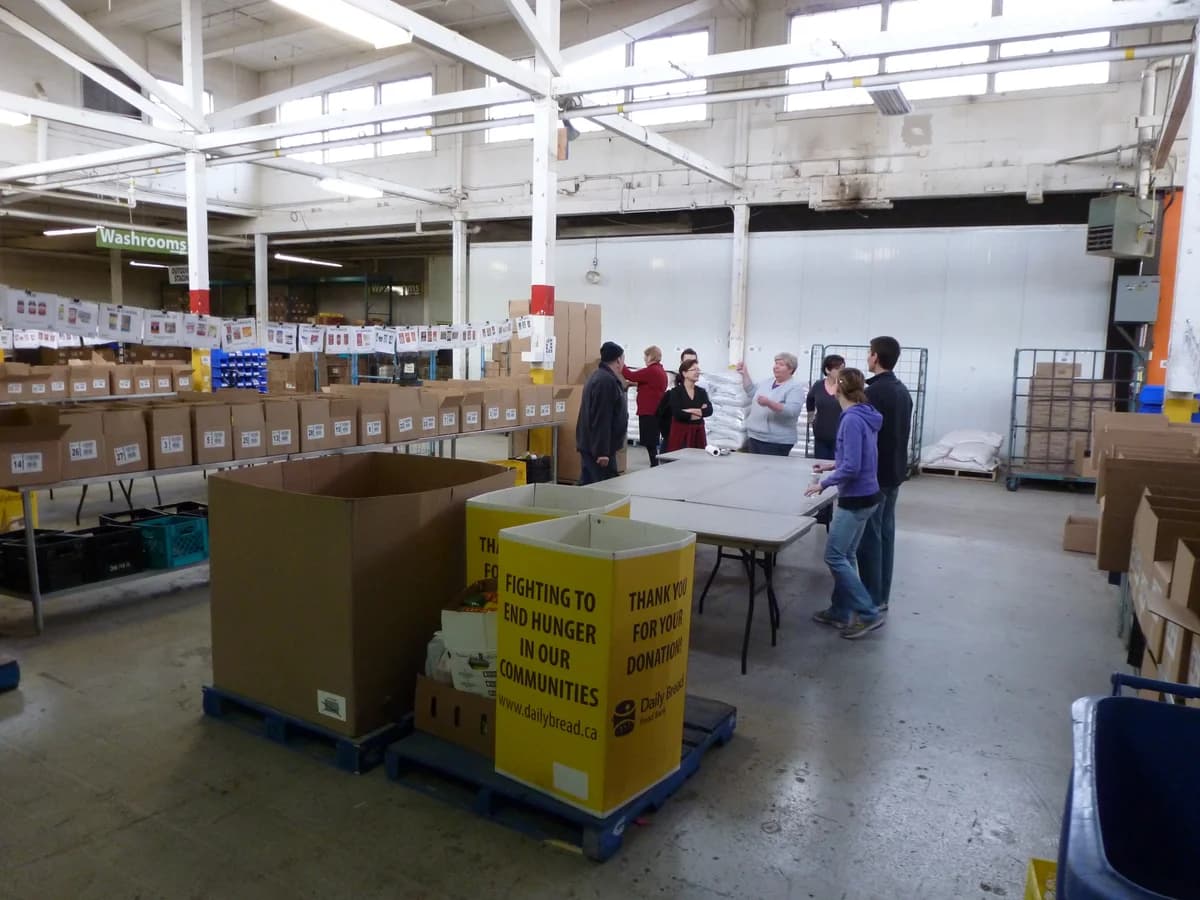
Humanitarian crises bring urgent needs together with logistical limits and unequal exposure to danger. Aid decisions concern whose needs take priority, how effectiveness is assessed, and whether affected people participate in decisions about their lives. Impartial concern does not automatically determine the practical distribution of assistance.
Humanitarian allocation can involve urgency, vulnerability, likely benefit, and practical access. A distribution plan that reaches the largest number might bypass people who are harder to reach, while equal packages might ignore sharply unequal needs. These conflicts require an explicit account of what fairness means. Recipients also have agency: their knowledge of local conditions and priorities can improve a plan and prevent assistance from becoming an imposed project that outsiders define entirely for them.
Imagine two communities needing shelter: one is easier to reach, while the other faces greater immediate danger. An equal division, an urgency-based division, and an expected-impact allocation can recommend different plans. State the assumptions behind each.
A purely logistical account can neglect those who are difficult to reach, while a purely need-based rule can overlook what a program can actually achieve. Responsible reasoning combines evidence with explicit priorities and accountability to recipients. The example is illustrative, not a description of a current crisis or an endorsement of an aid provider.
In an invented relief effort, families differ in mobility and caregiving responsibilities. A central collection point appears efficient but may impose the greatest travel burden on those needing help most. Compare delivery, local collection, and support for transport. Each option requires resources, so the ethical question remains a tradeoff rather than a effortless solution. Making the burdens visible helps explain why participation and access belong in an assessment alongside the quantity of supplies distributed.
What would count as a fair reason to assist one group first?
Aid prioritization also weighs urgency, expected benefit, and fair access.
Emergency aid makes the choice harder: many people need help, and no single person can rescue everyone.
These explanations synthesize philosophical discussions. Examples illustrate the ideas; connections to practical situations are editorial interpretations.