Why these topics connect
Data given for one purpose can be reused in a different relationship with different expectations.
IN THE WORLD
Information collected for one purpose can be reused in ways that affect freedom and trust.
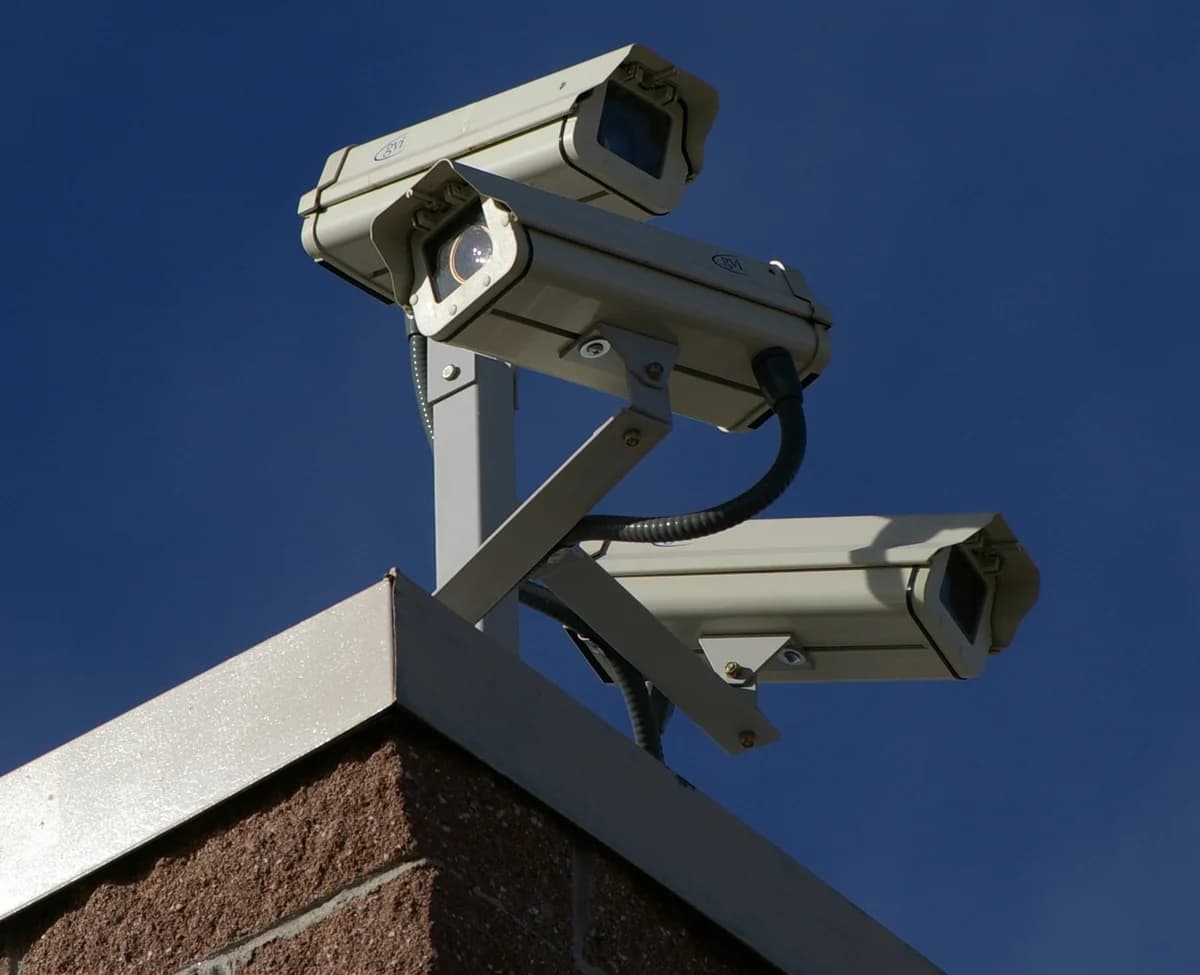
Surveillance gathers or observes information in ways that can alter power between people and institutions. Its ethics concerns purpose, necessity, proportionality, access, retention, and accountability. Data collected for care or convenience can become more consequential when combined with other records or transferred to a different setting.
Observation can change behavior even when no immediate penalty follows. People may hesitate to seek advice, associate, or revise their views if they expect every action to become part of a permanent record. Combining records also creates new inferences beyond the original disclosure. The ethical assessment therefore concerns the power created by collection and analysis, not only whether a camera or database is present. Purpose limitations and usable review can matter alongside accuracy.
Imagine a workplace collecting location to coordinate deliveries. Compare limiting use to that task with retaining detailed histories for unrelated evaluation. Employees may face different risks even if the collection device and raw information remain the same.
Safety and efficiency can provide reasons for observation without authorizing every downstream use. Consent is less protective where people lack realistic alternatives. A contextual assessment asks whether information flows serve legitimate purposes and how people can challenge misuse; current legal permissions require separate verification.
Imagine an employer gathering location to coordinate deliveries and later using the records for unrelated evaluation. Describe the original purpose, new recipient, retention period, and employee’s ability to object. A choice can be nominally voluntary while refusal threatens access to work. This example makes contextual integrity and autonomy concrete. It also asks how an institution could meet a legitimate operational need with less intrusive information, rather than assuming convenience authorizes every possible downstream use.
Who should control a use that was absent when the information was collected?
Data given for one purpose can be reused in a different relationship with different expectations.
Personal data can make influence more targeted, raising questions about who chooses the desired behavior.
These explanations synthesize philosophical discussions. Examples illustrate the ideas; connections to practical situations are editorial interpretations.