

EthicAtlasYOUR ATLASDeontological Ethics (article)
← Back to the mapSOURCE ARTICLE / TOPIC EXPLORATION

SOURCE ARTICLE

Deontological Ethics (article)

Surveys duty-based ethics, individual constraints, and difficult cases involving special obligations and sacrifice.

The Lady Justice statue above the Old Bailey
01 / EXPLORE THE TOPIC

A guide to the reading.

What this article covers

This entry organizes several duty-based approaches, including views centered on agents, the people acted upon, and justifiable principles of interaction. It compares their motivations and difficulties with consequentialist alternatives. Duties and rights therefore emerge as a diverse theoretical landscape rather than one universally agreed list.

A right or duty can function as a constraint on action rather than as a valuable outcome to be maximized. That difference helps explain why preventing several violations may not authorize committing one yourself. But deontological views vary in their explanation of the constraint and its limits. As you read, identify whose reason or claim is central, and ask how the view handles positive assistance, conflicts, and cases in which preventing harm requires difficult intervention.

How to read it

Start with the contrast with consequentialism, then identify the central concern of each deontological family. Return to a rescue or sacrifice case and ask whether the objection concerns your agency, someone’s claim, or a principle they could reasonably reject.

Questions to carry forward

Track problems about conflicting duties, thresholds, and preventing worse violations. A compelling constraint still needs an account of its scope. The entry helps distinguish different reasons for opposing an act, rather than assuming that every duty-based objection rests on the same theory or interpretation of Kant.

Use an original fictional official who can improve institutional performance by concealing information from applicants. State the applicants’ claim and the proposed justification separately. A constraint-based objection cannot be answered solely by a better aggregate result, yet it still needs an account of the information owed and possible conflicts with privacy. Compare how the article’s theory families frame that issue. The exercise makes duties precise without assuming that all deontologists endorse the same prohibition for the same reason.

Reference articleDeontological Ethics
Read the reference article ↗
02 / FOLLOW A CONNECTION

Keep following the thread.

Idea · mentionsSpecial obligations
Why these topics connect

Each parent, for example, is commonly thought to have such special obligations to his/her child, obligations not shared by anyone else.
Automatically found mention; a mention does not imply agreement.

Read source passage

Each parent, for example, is commonly thought to have such special obligations to his/her child, obligations not shared by anyone else.

Open reference article Retrieved 2026-10-01 · Automatically found mention
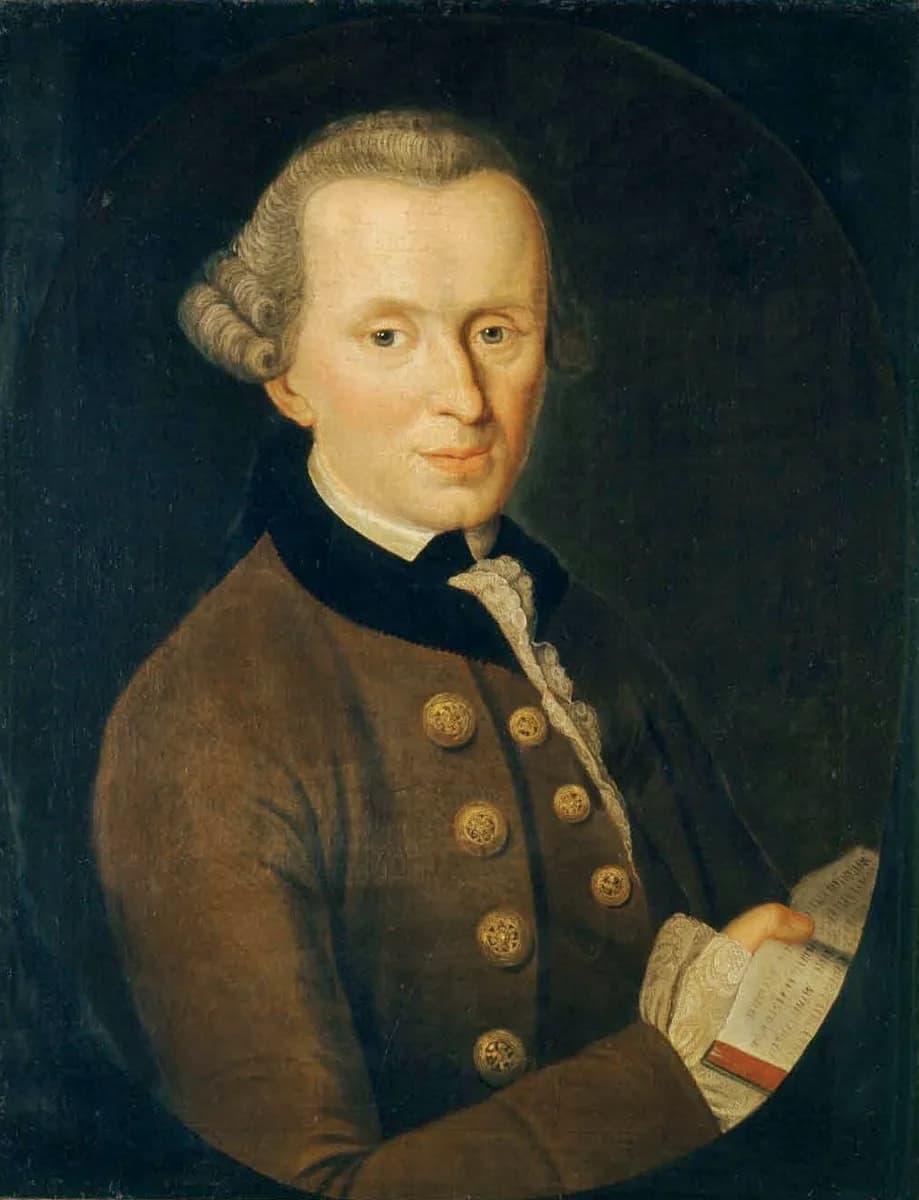
Thinker · mentionsImmanuel Kant
Why these topics connect

2.4 Deontological Theories and Kant If any philosopher is regarded as central to deontological moral theories, it is surely Immanuel Kant.

Automatically found mention; a mention does not imply agreement.

Read source passage

2.4 Deontological Theories and Kant If any philosopher is regarded as central to deontological moral theories, it is surely Immanuel Kant.

Open reference article Retrieved 2026-10-01 · Automatically found mention
Idea · mentionsMoral luck
Why these topics connect

(This is one reading of Bernard William’s famous discussion of moral luck, where non-moral reasons seemingly can trump moral reasons (Williams 1975, 1981); this is also a strategy some consequentialists (e.g., Portmore 2003) seize as well in order to handle the demandingness and alienation problems endemic to consequentialism.) But like the preceding strategy, this one seems desperate.

Automatically found mention; a mention does not imply agreement.

Read source passage

(This is one reading of Bernard William’s famous discussion of moral luck, where non-moral reasons seemingly can trump moral reasons (Williams 1975, 1981); this is also a strategy some consequentialists (e.g., Portmore 2003) seize as well in order to handle the demandingness and alienation problems endemic to consequentialism.) But like the preceding strategy, this one seems desperate.

Open reference article Retrieved 2026-10-01 · Automatically found mention
Thinker · mentionsBernard Williams
Why these topics connect

Another response by deontologists, this one most famously associated with Bernard Williams, shares some of the “don’t think about it” features of the Anscombean response.

Automatically found mention; a mention does not imply agreement.

Read source passage

Another response by deontologists, this one most famously associated with Bernard Williams, shares some of the “don’t think about it” features of the Anscombean response.

Open reference article Retrieved 2026-10-01 · Automatically found mention
03 / READ FURTHER

Follow the sources.

These explanations synthesize philosophical discussions. Examples illustrate the ideas; connections to practical situations are editorial interpretations.