Why these topics connect
Bring the demands of work, relationships, and character into the decision.
IDEA
Good judgment brings relevant details, competing concerns, and the demands of character into focus.

Practical wisdom is sound judgment about what a situation calls for. In virtue ethics it helps someone identify relevant particulars, deliberate well, and act for appropriate reasons. It connects general commitments with perception of the actual people, risks, relationships, and possibilities present in a case.
Practical wisdom connects general ethical commitments with the particulars that make a situation what it is. It includes recognizing when a familiar rule fits poorly, seeing another person’s needs accurately, and deliberating about feasible action. More experience is not automatically better judgment: repeated practice can also reinforce prejudice. Learning therefore requires correction, reflection, and attention to perspectives that a confident decision maker might overlook. Sound judgment remains answerable to reasons rather than personal authority alone.
Imagine mediating a disagreement between colleagues. Honesty may support naming a problem, while kindness affects timing and manner. Wise action requires understanding what the disagreement is really about rather than mechanically splitting the difference or applying one virtue in isolation.
Experience helps only if people learn from it; habits can also entrench prejudice. This raises questions about education, exemplars, and correction. Practical wisdom should not become an unexplained label for whichever judgment one already favors. An accountable judgment can give reasons and remain open to the perspectives of those affected.
Suppose a manager must give critical feedback to a colleague already under strain. Honesty, care, and fairness can all matter, but none supplies the timing and wording mechanically. A wise response identifies the actual problem, the colleague’s capacity to act, and the effects on others. Explain those considerations instead of using wisdom as a label for your preferred outcome. This makes judgment assessable and shows how virtues can work together in a concrete decision.
How do we learn good judgment without merely copying a rule?
Bring the demands of work, relationships, and character into the decision.
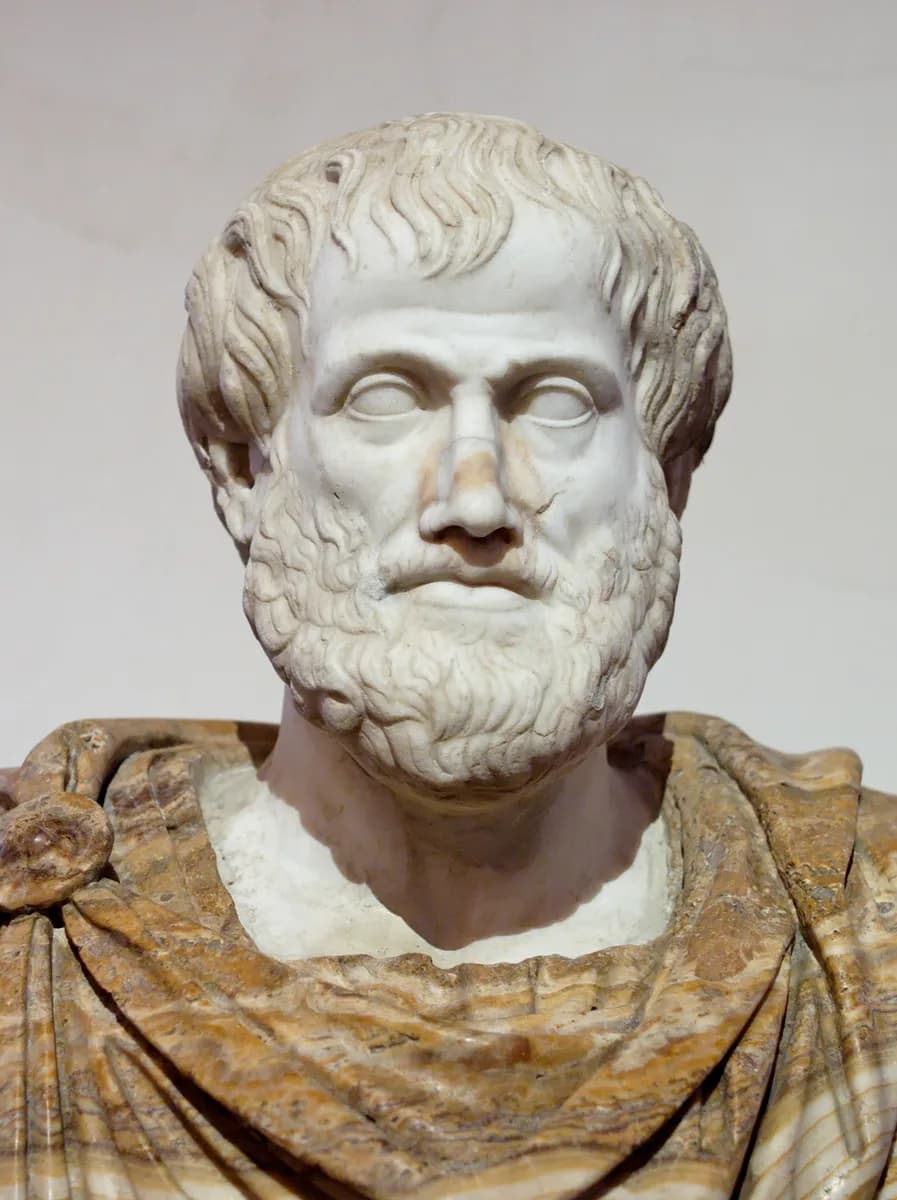
Aristotelian virtue ethics gives practical wisdom a central role in good action.
Practical wisdom helps a person recognize and respond to the morally relevant features of a situation.
These explanations synthesize philosophical discussions. Examples illustrate the ideas; connections to practical situations are editorial interpretations.