Why these topics connect
The design process also reflects the judgment and character of institutions and designers.
IDEA
Consider the judgment and character a good person would bring to a difficult situation.

Virtue ethics asks what a good person notices, values, feels, and does across a life. Virtues such as courage and honesty involve cultivated dispositions rather than isolated compliant acts. Practical wisdom helps determine how those dispositions apply when circumstances are complicated and virtues appear to pull in different directions.
Virtue concerns patterns of perception, feeling, judgment, and action rather than merely repeated outward behavior. Someone who tells the truth only from fear of being caught differs from someone who recognizes honesty’s place in a relationship. Acting well also requires seeing which features matter in a particular situation. Courage without good judgment can become recklessness, and generosity without attention can become intrusive. The account therefore links character to practical understanding and the reasons for acting.
Imagine giving honest feedback to someone who is struggling. Bluntness, concealment, and considerate candor differ in timing and attention as well as truthfulness. Ask what a perceptive and caring person would recognize about the situation before choosing how to speak.
Critics ask whether virtues provide enough guidance for unfamiliar dilemmas and who sets the model of good character. Different traditions answer with different accounts of flourishing and exemplars. Character also develops within institutions, so judging individuals alone can miss conditions that encourage courage, reward deception, or make good action unusually costly.
Imagine a friend asking for difficult feedback. Honesty supports telling the truth, while kindness shapes timing and expression; practical wisdom helps avoid both cruelty and evasiveness. This does not reduce the answer to a convenient midpoint between extremes. The challenge is to explain what the relationship and situation require. A virtue account becomes more informative when it identifies the relevant facts and reasons, instead of merely describing the chosen action as virtuous.
What would a wise person notice that a simple rule might miss?
The design process also reflects the judgment and character of institutions and designers.
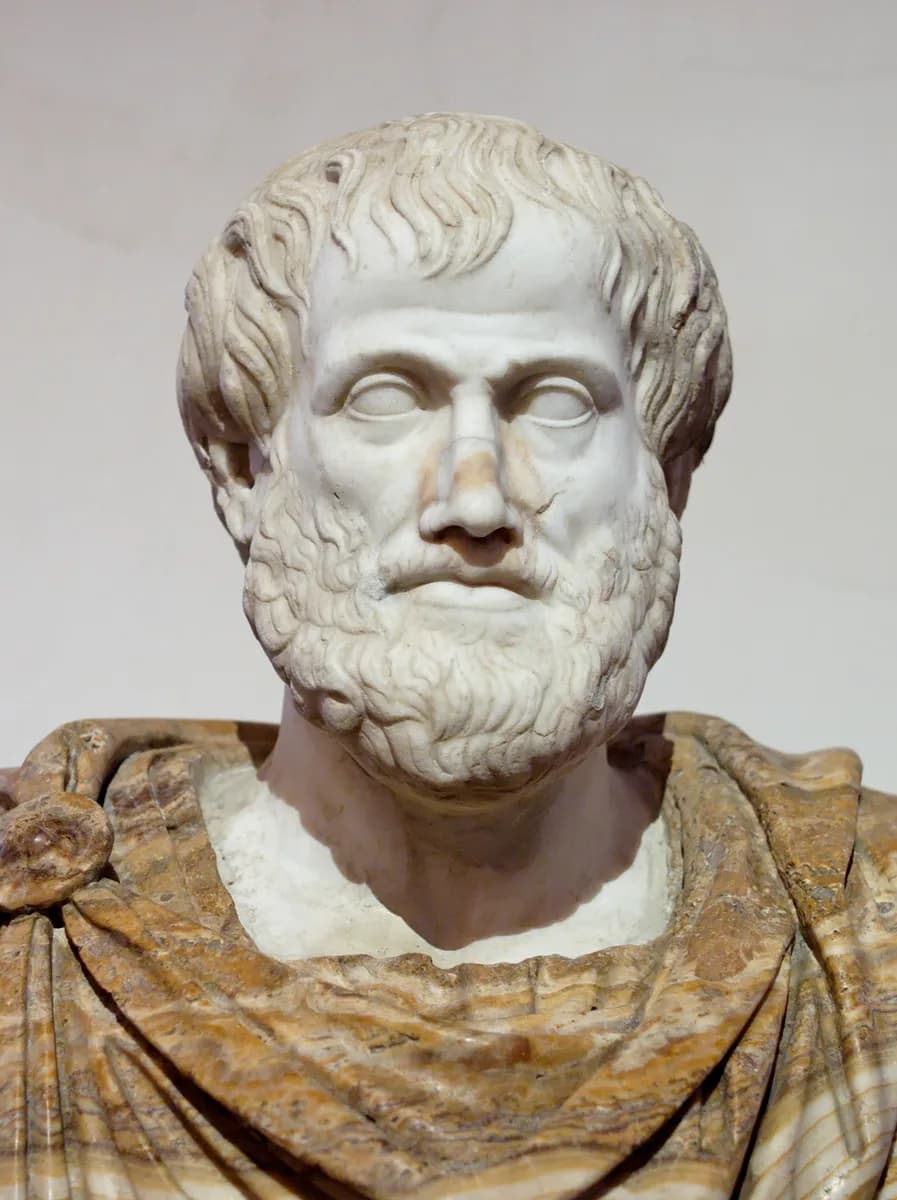
Aristotle is a classical source for virtue ethics.
Ask what the shared negligence reveals about judgment and character.
Ask what compassion and restraint require in everyday choices.
Practical wisdom helps a person recognize and respond to the morally relevant features of a situation.
A further suggestion is that there is a need to reassess traditional theories such as virtue ethics, which has its origins in ancient Greek philosophy (see the following section) within the context of a form of stewardship similar to that earlier endorsed by Passmore (see Barry 1999).
Automatically found mention; a mention does not imply agreement.
Open reference article Retrieved 2026-10-01 · Automatically found mentionA further suggestion is that there is a need to reassess traditional theories such as virtue ethics, which has its origins in ancient Greek philosophy (see the following section) within the context of a form of stewardship similar to that earlier endorsed by Passmore (see Barry 1999).
According to some in the virtue ethics tradition, carefully worked out arguments in which the moral considerability and moral significance of animals are laid out will have little if any grip on our thoughts and actions.
Automatically found mention; a mention does not imply agreement.
Open reference article Retrieved 2026-10-01 · Automatically found mentionAccording to some in the virtue ethics tradition, carefully worked out arguments in which the moral considerability and moral significance of animals are laid out will have little if any grip on our thoughts and actions.
These explanations synthesize philosophical discussions. Examples illustrate the ideas; connections to practical situations are editorial interpretations.