Why these topics connect
Thomson developed the violinist case to question entitlement to life-sustaining bodily assistance.
QUESTION
Does a right to life entitle someone to use another person’s body?
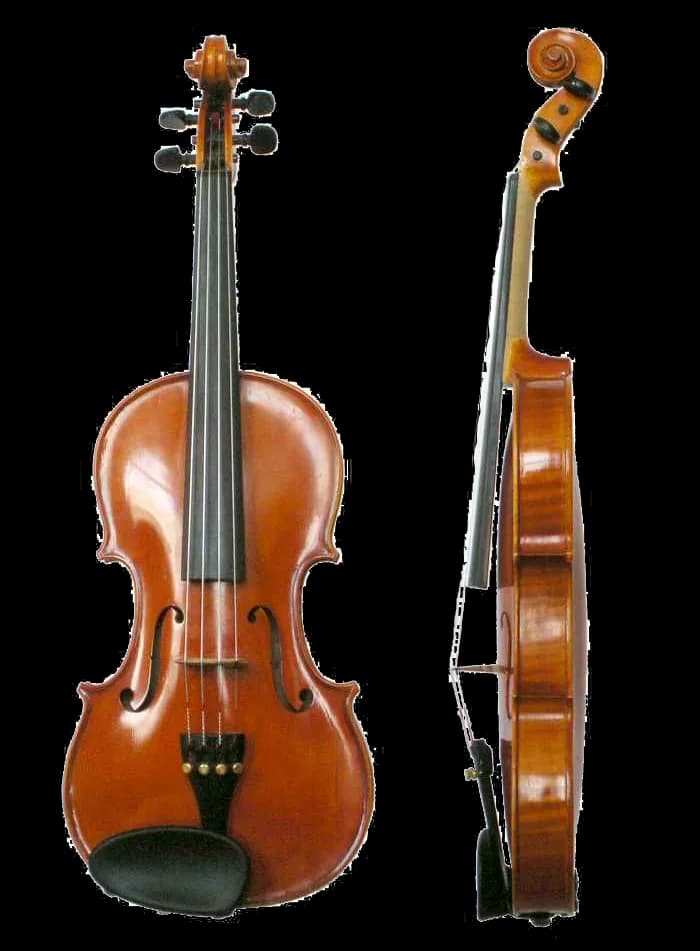
Thomson’s violinist case asks whether someone’s right to life includes a right to remain connected to another person’s body. Its argumentative role is to test an inference about bodily assistance, even after granting a strong moral status to the dependent person. It does not settle every question about pregnancy.
The story grants the dependent violinist a serious claim to remain alive and then asks what follows for the person providing bodily support. That argumentative move matters: it questions whether moral status by itself establishes an unlimited entitlement to another body. The case also makes room for a distinction between what someone may decline and what would be generous to provide. A failure to perform an admirable sacrifice need not automatically be a violation of another’s rights.
Vary the length of the required connection, the medical burden, and whether the connection was voluntary. Explain whether each variation changes permission to disconnect, a duty to help, or the degree of generosity involved. Those judgments need not all move together.
An analogy is useful only insofar as the relevant similarities hold. Critics dispute the significance of responsibility, parental relationships, and differences between disconnecting support and other actions. A careful discussion identifies which premise the case challenges and which additional premises would be needed for a broader conclusion.
To evaluate the analogy, list the features doing the argumentative work before adding new variations. Involuntary connection, bodily burden, duration, and the relationship between the parties may support different reasons. An objection must explain why a changed feature alters the obligation, rather than simply noting that the stories differ. This approach keeps the discussion focused on premises and avoids presenting one imagined rescue as a complete answer to every question about pregnancy.
When does another person’s need create a claim to your body?
Thomson developed the violinist case to question entitlement to life-sustaining bodily assistance.
The violinist case is developed as an objection within abortion ethics.
The involuntary connection makes authority over bodily assistance central.
The case distinguishes a right to life from an entitlement to another person’s assistance.
1.2 The violinist case objection Suppose that a famous violinist is very sick with a serious kidney disease.
Automatically found mention; a mention does not imply agreement.
Open reference article Retrieved 2026-10-01 · Automatically found mention1.2 The violinist case objection Suppose that a famous violinist is very sick with a serious kidney disease.
These explanations synthesize philosophical discussions. Examples illustrate the ideas; connections to practical situations are editorial interpretations.

