Why these topics connect
Ask whether saving more people can justify violating one person’s rights.
IDEA
Some actions may be constrained by duties and individual rights even when outcomes look better.

Deontological theories evaluate actions through duties, rights, and constraints that cannot simply be traded for a larger overall benefit. They differ about whether the central concern is an agent’s obligations, a person’s claims against others, or principles of justifiable interaction. Kantian ethics is one influential approach within this family.
A constraint differs from treating rights as one more benefit to maximize. Someone might think that they must not deceive an innocent person even if that deception would prevent several other lies. The prohibition concerns their own action and the claim of the person deceived. Duty-based approaches nevertheless differ about positive assistance, conflicting obligations, and exceptional circumstances. Saying that rights matter therefore begins a discussion about their grounds, holders, and limits rather than ending it.
Imagine a researcher tempted to use private records without permission because the analysis could help many people. A duty-based assessment asks what participants are owed and whether the use respects their authority, alongside any assessment of the project’s expected benefits.
Constraints create hard cases when every option infringes a duty. Some theories permit exceptions beyond a threshold; others distinguish doing harm from allowing it. A key objection asks why one should respect a constraint when violating it would prevent more violations. Different deontologists offer different answers rather than a single universal formula.
Consider a fictional official who can improve service statistics by concealing unfavorable information from applicants. A duty-based objection asks what the applicants are owed as people entitled to make informed choices. It cannot be answered solely by showing that the average outcome improved. But the objection still needs precision: which information is relevant, who has a claim to it, and whether protecting someone else’s privacy creates a competing responsibility?
What should happen when two duties cannot both be honored?
Ask whether saving more people can justify violating one person’s rights.
An efficient decision may still cross a moral boundary.
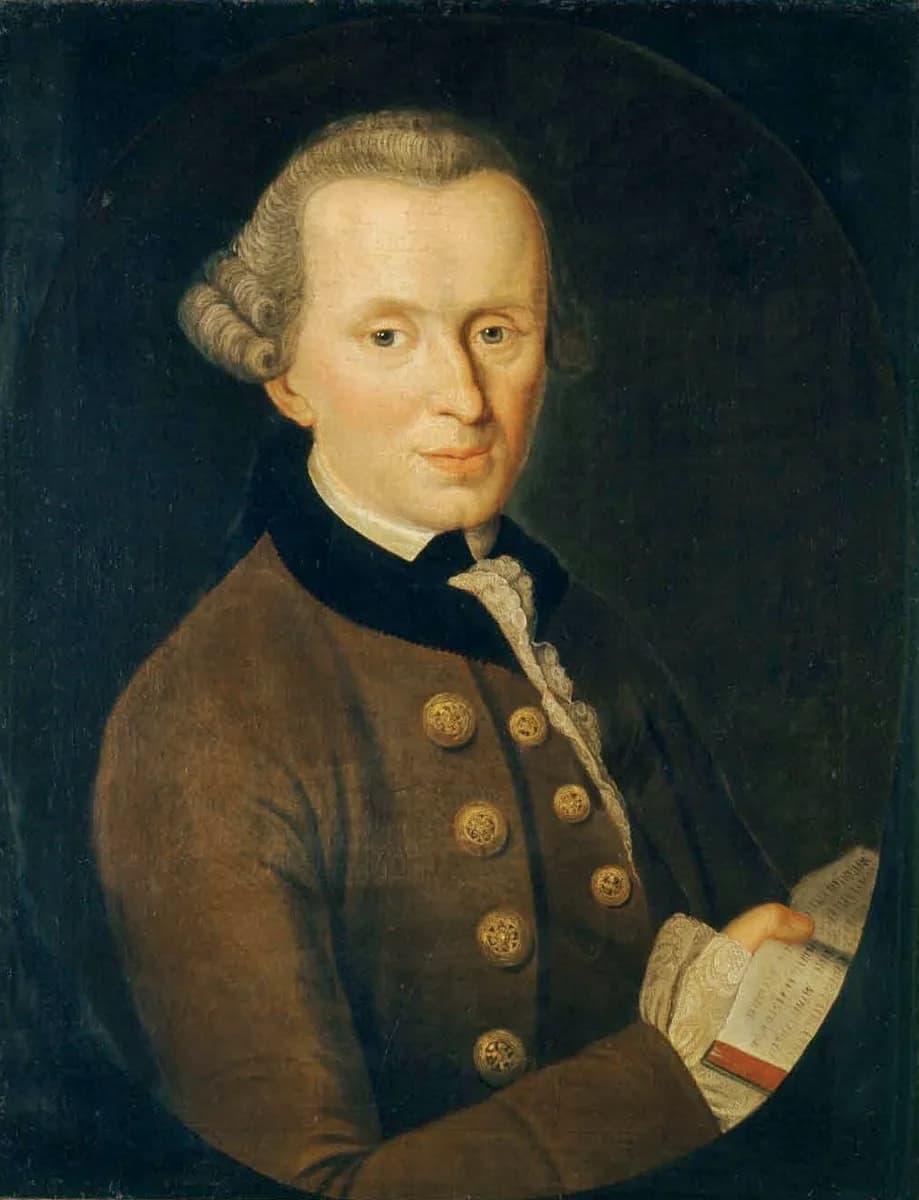
Kant is a central figure in the deontological tradition.
Rights-based reasoning asks what protections people are owed regardless of aggregate benefit.
Patient-centered deontology objects to using the healthy patient’s body to save others.
The case distinguishes a right to life from an entitlement to another person’s assistance.
Consider duties to affected people alongside promises and workplace rules.
Ask whether rights can justify criticism across community boundaries.
Kantian universalization is one approach within duty-based moral reasoning.
These explanations synthesize philosophical discussions. Examples illustrate the ideas; connections to practical situations are editorial interpretations.