Why these topics connect
Compare the number of people harmed or saved, then ask what a simple count leaves out.
IDEA
Judge an action by its contribution to overall well-being, while asking whose welfare counts.

Utilitarianism evaluates choices through their effects on well-being, giving comparable interests equal weight regardless of whose they are. Classical versions connect well-being with pleasure and the absence of pain; other versions use preferences or broader accounts of welfare. It belongs to the larger family of consequentialist theories.
An impartial welfare perspective asks that similar interests receive similar weight regardless of whose interests they are. This does not mean equal quantities of every resource: helping someone in severe distress may produce a different benefit from adding another comfort to an already comfortable life. The theory therefore needs an account of well-being and a way to compare improvements. Its appeal to overall benefit is a starting principle, while practical judgments still depend on evidence about the available choices.
Imagine choosing between a small benefit for many residents and a major benefit for a few. Count the size of each benefit, not just the number of recipients. A majority gaining slightly can still be outweighed by severe losses imposed on a minority.
Aggregation, demandingness, and the treatment of rights are persistent challenges. Supporters can consider indirect effects, uncertainty, and the value of dependable rules. Critics ask whether even a fully informed welfare calculation could justify treating one person unfairly. The debate concerns the standard of rightness as well as usable ways of deciding.
Imagine a town deciding between accessible transport and a decorative public project. An outcome-based comparison should include who can use each project, the seriousness of the benefits, and what the town would forgo. Counting participants alone may miss a large improvement for a smaller group. The example exposes a recurring question: can a welfare calculation adequately protect people with unusual needs, or must additional principles constrain what institutions may trade away?
What should we do when more total welfare leaves one person much worse off?
Compare the number of people harmed or saved, then ask what a simple count leaves out.
A narrow outcome count appears to favor five lives over one; other consequences complicate the case.
One question is how a limited resource can do the most good.
Rawls’s approach can be compared with rules that maximize total welfare.
Compare likely harms and benefits, including uncertainty in the predictions.
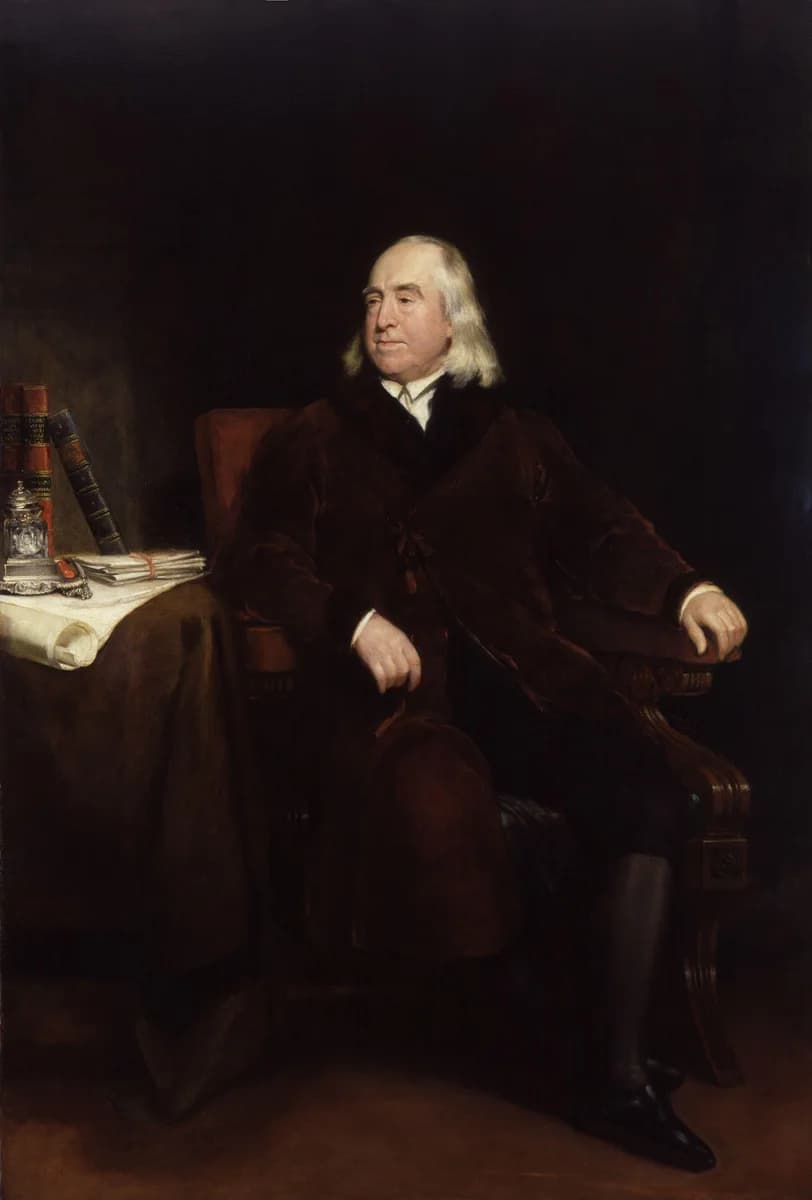
Bentham helped establish classical utilitarianism.
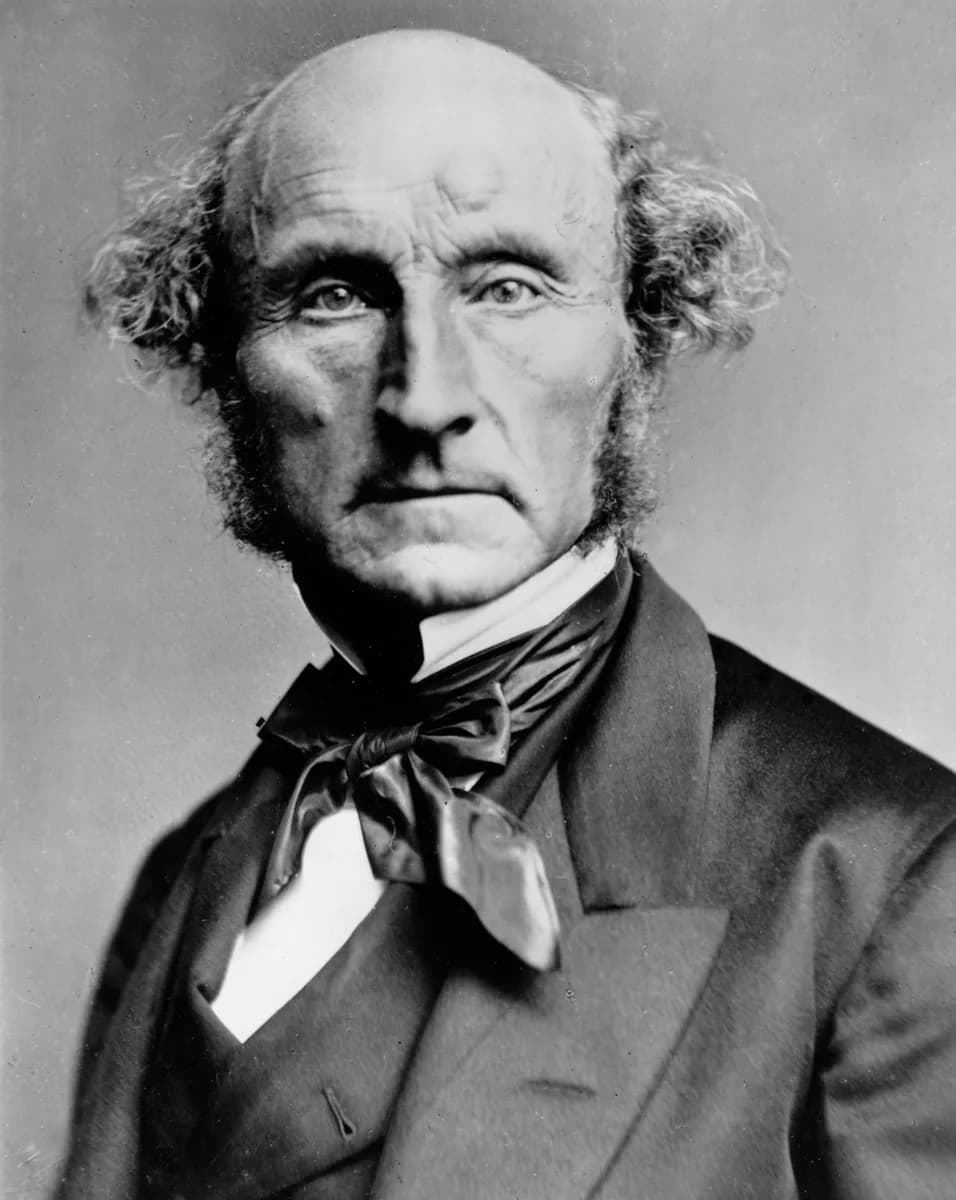
Mill offered a major later account of utilitarianism.
An account of well-being helps explain what welfare-based reasoning tries to maximize.
Weigh interests across all beings affected, rather than counting only human preferences.
Concern for sentient interests can extend welfare comparisons beyond humans.
These explanations synthesize philosophical discussions. Examples illustrate the ideas; connections to practical situations are editorial interpretations.